The Role of Branding in Patient Experience

Have you ever walked into one doctor's office and felt instantly calm, but walked into another and felt confused and anxious? That difference is rarely an accident. It’s the result of a deliberate brand promise, the core of all modern healthcare marketing strategies, designed to shape your experience from the moment you first search online.
But this raises a fair question: why should hospitals, an essential service, have to “compete” for patients in the first place? In practice, most people have a choice when it comes to non-emergency procedures, and hospitals need to attract patients to fund their operations, invest in new technology, and retain expert staff. The challenge of patient acquisition is a business reality, forcing healthcare systems to clearly define what makes them different.
Think of it like colleges competing for students. They all offer education, but they use their brand to signal what makes them unique—a focus on research, small class sizes, or a vibrant campus life. Similarly, a hospital’s brand communicates its unique strengths and values, whether that’s cutting-edge technology or deeply compassionate, family-centered care. When this competition is healthy, it can drive one of the most important challenges in healthcare marketing: a genuine push to improve the patient experience for everyone.
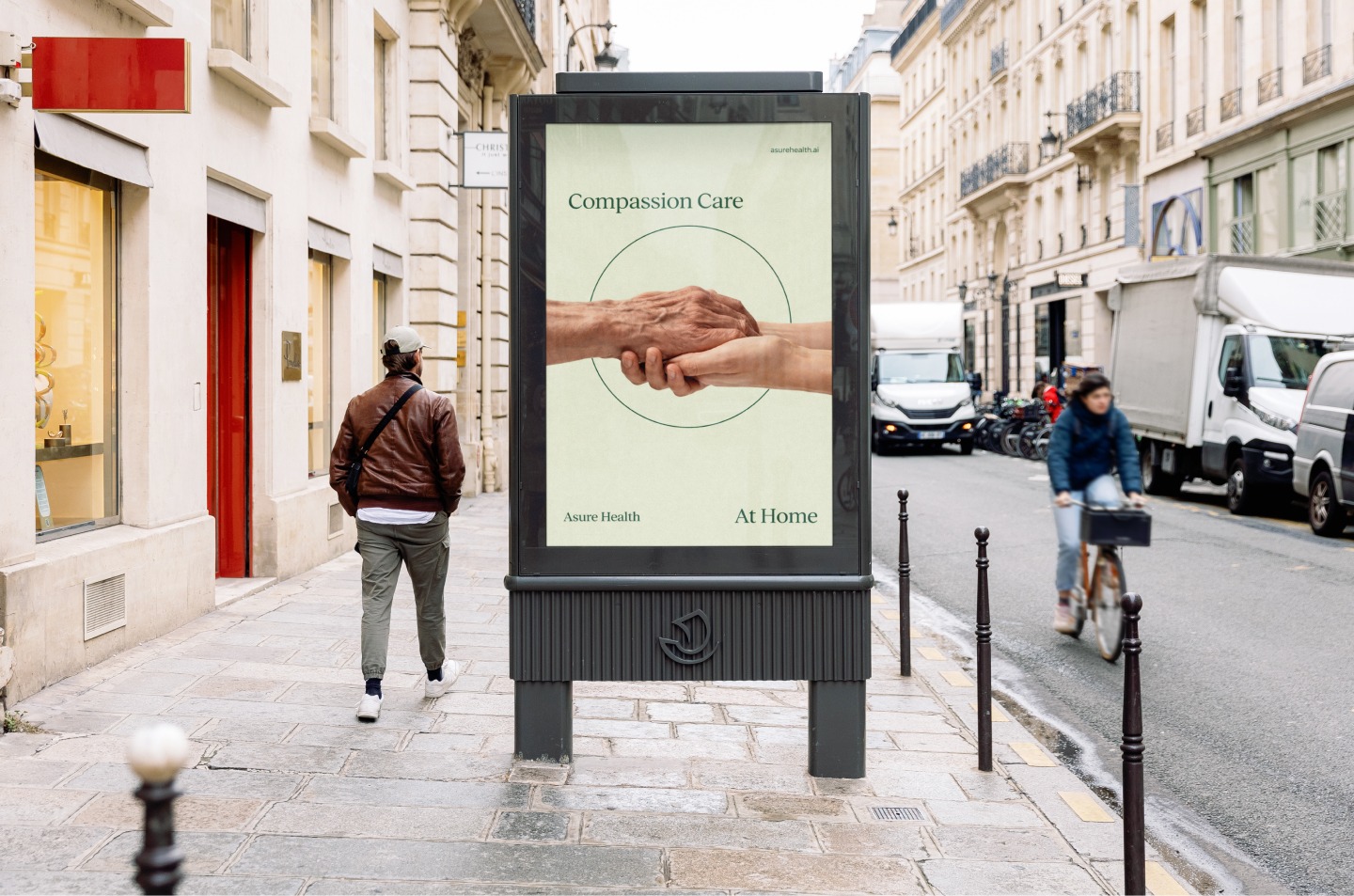
What Is a Healthcare Brand's 'Promise' and How Do You Spot It?
At the heart of any brand—whether it sells sneakers or performs surgery—is a core idea known as the Brand Promise. Think of it as a pact between you and the company. Nike’s brand promise isn’t just to sell you shoes; it’s to provide inspiration and innovation for every athlete. This promise shapes their products, their commercials, and the feeling you get when you see their logo. It’s the answer to the question: What can I expect every single time I interact with you?
A hospital’s brand promise goes beyond just providing medical care; it defines the kind of experience they aim to deliver. For example, the world-renowned Cleveland Clinic built its reputation around a simple, powerful promise: “Patients First.” This suggests that every decision, from scheduling to treatment plans, is designed with your needs as the top priority. Another hospital might promise “community-focused care,” signaling a more personal, neighborly approach. This promise is the foundation of their hospital brand reputation and a key part of a healthcare brand identity.
So, how can you spot this promise? It’s often hiding in plain sight. Look for a tagline directly under the hospital’s name on its website or billboards. Scan the “About Us” or “Mission” page on their site for recurring themes like “innovation,” “compassion,” or “access.” These keywords aren’t just marketing fluff; they are the declared promise that sets the standard for the care you should expect to receive.
Decoding the Logo and Colors: What Your Hospital Is Saying Visually
While a brand promise can be found in words, it’s most often seen through visual identity—the logo, colors, and design style that represent the hospital. Think of a logo not as decoration, but as a visual shortcut for the hospital’s entire reputation and promise. It’s the first and most frequent symbol you’ll encounter, designed to make you feel something specific before you’ve even read a single word. This visual introduction is a key component of the overall healthcare brand identity.
Color is one of the most powerful tools in this visual language. For instance, notice the two distinct hospital branding examples in the image below. The deep blue used by "North Star Advanced Medical Center" is often chosen to communicate trust, stability, and technological expertise. In contrast, the earthy green of "Oak Valley Community Health" is meant to evoke feelings of wellness, community, and approachable care. These choices are deliberate, using color psychology to set your expectations instantly.
Beyond color, the shape and style of a logo complete the story. North Star’s sharp, geometric design reinforces its "advanced" promise, while Oak Valley’s soft leaf shape suggests a gentler, more personal touch. This thoughtful design ensures brand consistency in healthcare, aligning the visual feel with the promised experience. But a brand doesn't just show you its personality—it also speaks to you, using a distinct tone of voice.
The 'Voice' of Your Hospital: Are They a Wise Professor or a Caring Friend?
Beyond the logos and colors, a brand’s personality truly comes alive through its “brand voice”—the consistent tone and style used in all its communication. Think of it like a person. Is the hospital a wise, authoritative professor, or a warm, reassuring friend? This voice isn't just about what is said, but how it is said, and it’s carefully chosen to make you feel a certain way before you ever step through the door.
This vocal style is intentionally tailored to the audience. A children’s hospital, for instance, might use simple, playful language on its website to ease the anxiety of young patients and their parents. In contrast, a cutting-edge cancer center will likely adopt a more serious and hopeful tone, using words that convey expertise and optimism. This careful choice is a core part of a patient-centric marketing approach, designed to connect with you on an emotional level.
You’ll notice this voice in the reassuring language of a follow-up email, the clear instructions on their website, and the compassionate captions on social media. Maintaining brand consistency across all these channels is a fundamental piece of how to create a healthcare brand strategy that builds trust. This commitment to a consistent experience doesn’t stop with words on a screen; it’s built into the very walls of the facility, shaping everything from the waiting room design to the signs that guide your path.
From Waiting Rooms to Websites: How Spaces Mirror a Brand's Promise
That consistent voice doesn't just live in emails and on billboards; it’s built into the very world you step into, both physically and online. Think about the last clinic you visited. Was the waiting room sleek and modern with minimalist furniture, suggesting efficiency and cutting-edge tech? Or was it filled with comfortable chairs and warm lighting, creating a feeling of calm and personal care? This is no accident. The design of the physical space is a powerful tool used to reinforce the brand’s promise and shape your patient experience from the moment you arrive.
Today, a brand's digital presence is just as important—it’s the new front door for most patients. A hospital that promises “convenient, patient-first care” must have a website or app that is simple to navigate. Can you book an appointment in three clicks? Is your billing information clear and easy to find? This seamless digital interaction is a core part of modern digital branding for medical practices. If their website is confusing and outdated, it breaks the promise of convenience before you even consider making an appointment.
Ultimately, this alignment between the physical office and the digital tools is the hallmark of a strong, trustworthy brand. Every detail, from the signage on the walls to the buttons on the app, is part of a patient-centric marketing approach designed to prove their promise is more than just a slogan. It’s a commitment to making your entire journey feel consistent and reassuring.
Of course, building this tailored experience brings up an important question: what can a healthcare organization know about you, and how can they use it? While they design these spaces to attract patients like you, strict privacy rules govern how they can—and cannot—use your personal health information in their marketing.
HIPAA and Marketing: Why You Don't Get Ads for Your Specific Ailment
If you’ve ever shopped online, you know ads for that exact pair of shoes can follow you across the internet. So why, after a doctor's visit, don’t you see ads for your specific ailment? The simple reason is a powerful patient privacy law known as HIPAA. This law creates a strict wall between your personal health records and a healthcare organization's marketing department. Without your explicit, written consent, a hospital simply cannot use your private diagnosis to target you with ads.
Instead of targeting individuals, hospitals promote broad categories of care. This is often called service-line marketing. For example, you might see a commercial for a hospital’s excellent heart center or a social media post about their orthopedic wing. This type of general ad is HIPAA compliant marketing because it's broadcast to the public, not sent to you because they know about your high cholesterol or aching knee. It’s the key difference between healthcare marketing vs. pharmaceutical marketing, where drug companies advertise to a mass audience to prompt you to talk to your doctor.
This strict boundary is fundamental to building patient trust. It ensures that while a hospital wants to attract your business, it must respect your privacy to do so. This is why their marketing feels different; the goal isn't to chase you down with what they know about you, but to be a visible and helpful option when you begin looking for care yourself. And for most people, that search starts in the same place.
Your Patient Journey, Shaped by a Brand: The First Google Search
That search for care, whether it’s for a persistent cough or a new primary care doctor, is the first step in what healthcare professionals call the patient journey. This journey doesn't start when you walk into a clinic; it begins the moment you type a query into a search bar. This initial phase, where you simply become aware of your options, is where a hospital’s brand first goes to work. They know you’re looking, and they’ve prepared their digital front door for your arrival.
As you scan the search results, you quickly move into the next stage: consideration. You’re no longer just looking for names; you're making judgments. Does the clinic’s website look professional and modern, or is it outdated and hard to navigate? Are the patient reviews glowing or concerning? The words they use, the photos they choose, and the ease of finding information are all carefully crafted parts of their digital branding for medical practices. It's a brand's first attempt to make a promise—of competence, compassion, or convenience—before you've even spoken to a soul.
This is why improving hospital brand reputation online is so critical for providers. Every element you see is designed to build a sliver of trust and encourage you to take the next step. A brand that feels reliable and helpful online is one you’re more likely to trust with your health offline. You are already forming a relationship with the brand, and it’s this impression that you’ll carry with you as you decide whether to make that first appointment.

The Moment of Truth: When a Brand's Promise Meets Your First Visit
You’ve made your choice based on a professional website and positive reviews, and now you’re walking through the clinic’s front door. This is the moment where the digital promise meets physical reality. The sleek, modern brand that promised efficiency online has to deliver a quick, easy check-in process. A brand that advertised compassionate, family-friendly care needs to have a welcoming receptionist and a comfortable waiting room. It's the ultimate test of their credibility.
This is where a healthcare system shows its commitment to a patient-centric marketing approach. Was the promise just a clever slogan, or is it embedded in how they operate? Every single interaction—from the clarity of the signage in the hallways to the warmth of the nurse who takes your blood pressure—is a point where the brand is either reinforced or broken. Brand consistency in healthcare isn't about having the same logo everywhere; it's about making every step of your experience feel like it came from the same caring, competent source.
Think about a time you felt let down by a healthcare visit. Often, that disappointment comes from a broken brand promise. A hospital that advertises "patient-first care" but leaves you on hold for twenty minutes creates a jarring disconnect. In contrast, when the doctor takes an extra moment to answer your questions—just like the website promised—it builds a powerful sense of trust and reassurance.
When the experience lives up to the marketing, you leave feeling seen and cared for, confident in your choice. But the journey doesn't end when you walk out the door. The brand's promise is tested yet again in the final, often frustrating, stages of your care.
After You Go Home: How Branding Shapes Billing and Follow-Up Care
Leaving the clinic often comes with a sense of relief, but your healthcare journey hasn't actually ended. The brand's promise is still being tested in the days and weeks that follow. Think about the interactions that happen after your visit: the email with your test results, the automated call to schedule a follow-up, and the bill that arrives in the mail. A truly strong healthcare brand ensures these final, often overlooked, steps align with the same care and clarity you experienced in person. This is a critical part of the overall patient experience.
The most common place this trust is tested is with billing. A hospital that branded itself as "simple and patient-focused" completely undermines its message by sending a confusing, code-filled bill that causes anxiety. In contrast, a provider that lives up to its brand might send a bill that is clearly itemized in plain language, accompanied by a link to an easy-to-use online payment portal. This consistency in applying a patient-centric marketing approach, even to administrative tasks, is essential for building patient trust that lasts.
Beyond billing, every follow-up interaction matters. Was it easy to access your records online? Did a nurse call to check in, just as the clinic’s "compassionate care" slogan promised? When these final steps are just as thoughtful as your in-person care, it solidifies your confidence in the entire system. When they’re frustrating or impersonal, they can sour an otherwise positive experience. This final stage of care is often what sticks in our minds, and it directly influences what we decide to share with the world.
Why Your Online Review Matters: How Hospitals Manage Their Digital Reputation
That impulse to share your experience—good or bad—is more powerful than ever before. In the past, you might have told a few neighbors over the fence; today, you can tell thousands of people on Google, Healthgrades, or other review sites. These public comments have become a central part of a hospital’s brand. They are the modern-day word-of-mouth, shaping the choices and expectations of countless future patients before they ever step through the door, directly influencing the overall patient experience.
What you may not realize is that healthcare systems aren't just passively hoping for the best. They actively manage this feedback as a key part of improving hospital brand reputation online. Dedicated teams monitor ratings and analyze comments to identify and fix recurring problems, whether it's long wait times or confusing billing. A strong digital reputation also builds trust within professional networks that guide referrals, becoming a modern-day version of a physician liaison marketing plan designed to build confidence among doctors.
Ultimately, the most telling signal of a brand's character is how it responds to negative reviews. Does the hospital post a generic apology, or does a representative provide a real path to resolve the issue offline? A brand that promises 'compassionate care' must demonstrate it, even when facing public criticism. Watching how an organization handles these tough moments can reveal more about its true values than any glossy billboard. But what happens when the gap between the promise and the reality becomes too wide?
What Happens When a Hospital Gets It Wrong? The High Cost of a Broken Promise
A hospital can spend millions on commercials promising “patient-first care,” complete with images of smiling doctors and comforting environments. But if you arrive to find a chaotic check-in process and a clinical team too rushed to listen, that promise feels hollow. This disconnect between the marketing message and the on-the-ground reality is one of the biggest challenges in healthcare marketing. It creates a brand-operations gap, where the experience fails to live up to the advertisement, eroding the foundation of a good hospital brand reputation.
More than just a bad day, this kind of failure creates a deep and lasting patient cynicism. After feeling misled, you start to doubt not just that one hospital, but the sincerity of healthcare advertising altogether. This widespread mistrust is incredibly corrosive, making the difficult job of building patient trust nearly impossible. Every subsequent billboard or polished website is viewed through a lens of suspicion, undermining future efforts to communicate value and quality.
That broken promise doesn't just result in a negative online review; it becomes a cautionary tale told to friends, family, and colleagues. In the end, all the money spent on advertising is wasted if the organization can't deliver on its core commitment. It's exactly this widespread frustration with the traditional system that has created an opening for newer companies aiming to build a seamless and trustworthy experience from the very start.
The New Kids on the Block: What Brands like One Medical and Hims Get Right
Into the gap left by frustrating patient experiences, a new type of healthcare company has emerged. Brands like One Medical, Hims, and Ro were built online first, designed from the ground up to feel more like a sleek tech service than a traditional doctor's office. For these companies, the brand isn’t just a logo or a commercial; it’s the seamless user experience itself. Their core promise is delivered through an easy-to-use app, transparent pricing, and modern-looking clinics, making convenience and design the central pillars of their digital branding for medical practices.
Instead of just talking about patient-centered care, they build it directly into their operations. Think about the difference. A hospital might run ads promising convenience, while a brand like One Medical proves it with an app that lets you book a same-day appointment in under a minute. This is one of the best hospital branding examples in the modern era, even if it's from a clinic. The calming design of their waiting rooms and the clarity of their communication aren’t afterthoughts—they are the brand, creating a feeling of control and calm for the patient.
This fresh approach is forcing the entire industry to take notice. In response to the high bar set by these newcomers, many traditional hospitals are now scrambling to improve their own websites, launch better scheduling apps, and rethink how they communicate with patients. These are essential healthcare marketing strategies for survival in a world where patients expect healthcare to be as user-friendly as every other service they use. This shift ultimately puts more power in your hands, giving you better tools to find care that truly fits your life.
How to Be a Smarter Patient: Your 3-Step Guide to 'Reading' a Healthcare Brand
Now that you can see the thread connecting a brand’s promise to the patient experience, you have a practical tool for making better healthcare choices. Instead of being swayed by a single ad, you can critically assess whether a provider’s promises hold up under scrutiny. The next time you evaluate a new doctor, hospital, or clinic, use this simple three-step framework to look past the polished surface and determine if they are the right fit for your needs:
- Identify the Promise: What are they saying in their tagline, on their website, and in their ads? Are they promising to be “Compassionate,” “Advanced,” or “Convenient”? Pinpoint the core message.
- Look for Proof: Do their actions match their words? If they promise convenience, is their online scheduling easy to use? If they promise compassion, what do online reviews from other patients say? Look for tangible evidence that supports their claim.
- Trust Your Experience: During your first interactions—whether a phone call or a visit—how does it feel? Does the staff’s behavior align with the promise and the proof? Your personal experience is the final, and most important, verdict.
Using this framework transforms how you interact with the healthcare system. You’re no longer just passively receiving information but actively investigating it. You can now decode the patient-centric marketing approaches designed to build trust and see if they are genuine.
Ultimately, understanding branding in healthcare gives you a new form of agency. You are no longer just a patient navigating a confusing system; you are an informed consumer who can read the messages around you. You have the power to find the care that doesn't just sound right, but truly feels right for you.
.png)


