The Future of SEO AI Innovations
.jpg)
Artificial intelligence in SEO refers to using AI technologies to improve the efficiency and effectiveness of search engine optimization efforts. AI can analyze data, recognize patterns, and make decisions more rapidly than humans, making it an invaluable tool for optimizing content and improving search engine rankings.
The Core of AI in SEO
AI in SEO is centered around the ability to process and analyze vast amounts of data swiftly. Unlike traditional SEO methods, AI can parse through millions of data points to identify trends, user behavior, and content gaps. This capability allows marketers to develop data-driven strategies that are tailored to specific audience needs, driving more effective SEO outcomes.
Machine Learning and Algorithm Adaptation
Machine learning, a subset of AI, plays a crucial role in SEO by adapting to changes in search algorithms. As search engines like Google continuously update their algorithms to improve user experience, AI tools can quickly learn and adjust strategies accordingly. This adaptability ensures that SEO tactics remain relevant and effective in a fast-paced digital environment.
Real-time Data Analysis
.jpg)
AI provides the advantage of real-time data analysis, which is a game-changer for SEO. By processing data in real-time, AI tools can offer instant insights into website performance, user engagement, and content effectiveness. This immediacy allows businesses to make quick, informed decisions, optimizing their strategies on the fly.
AI Content Optimization
AI content optimization involves using AI to analyze and enhance website content. This includes optimizing keywords, improving readability, and ensuring that content aligns with user intent. AI tools can analyze vast amounts of data to determine which keywords and phrases are most likely to drive traffic to your site.
Keyword Optimization and Semantic Search
AI tools excel at keyword optimization by understanding not just the keywords themselves but the context and intent behind them. This semantic search capability allows AI to suggest keywords that match user intent more accurately, improving the chances of content appearing in relevant search results.
Enhancing Content Readability and Structure
AI-driven tools can assess the readability of content, suggesting improvements in structure and language to enhance user engagement. By analyzing user engagement metrics, AI can recommend changes that make content more digestible and appealing, thereby increasing the time users spend on a page.
User Intent Alignment and Personalization
Understanding user intent is vital for effective SEO, and AI tools can analyze user data to align content with what users are genuinely searching for. Moreover, AI allows for content personalization, adapting content suggestions based on individual user behavior and preferences, which can significantly improve user satisfaction and retention.
Example of AI Content Tools
Several AI-powered tools are available to help with content optimization. For instance, tools like Clearscope and MarketMuse can analyze your content and provide suggestions for improvements. These tools use AI to identify gaps in your content and suggest keywords that can help improve your search engine ranking.
Clearscope: In-depth Content Analysis
Clearscope offers comprehensive content analysis by evaluating current content against high-ranking pages. It provides suggestions for keyword integration and content depth, ensuring that your content competes effectively in search rankings. The tool's AI algorithms make it easier to create content that is both competitive and aligned with user intent.
MarketMuse: Content Strategy Development
MarketMuse focuses on developing a robust content strategy by identifying content gaps and suggesting new topics. By leveraging AI, MarketMuse can predict which content topics will drive the most traffic and engagement, enabling businesses to prioritize their content creation efforts effectively.
Other AI Tools Enhancing SEO
Beyond Clearscope and MarketMuse, other AI tools like Surfer SEO and Frase are making waves in the SEO industry. Surfer SEO analyzes competitor content to suggest improvements, while Frase uses AI to create content briefs that guide writers in crafting content aligned with SEO best practices.
Traditional SEO vs. AI Search Optimization
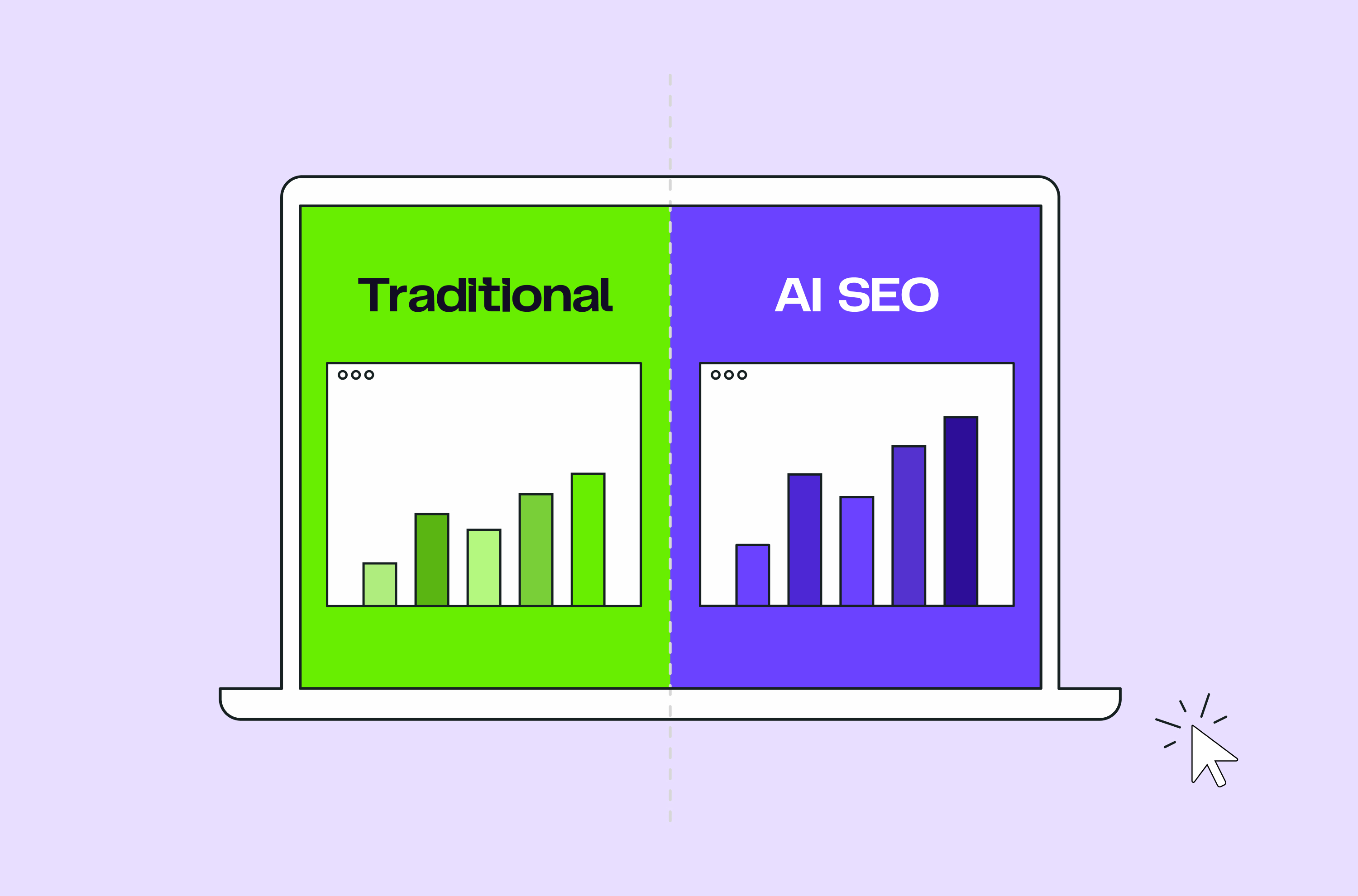
Understanding the difference between traditional SEO and AI search optimization is essential for leveraging the full potential of AI in your digital marketing efforts.
The Foundations of Traditional SEO
Traditional SEO relies heavily on manual analysis and adjustments. It involves keyword research, on-page optimization, backlink building, and continuous monitoring of search engine rankings. While effective, traditional SEO can be time-consuming and labor-intensive.
The Shift to Automation with AI
AI search optimization, on the other hand, automates many of these tasks. AI can quickly analyze data, identify trends, and suggest optimizations. This not only saves time but also increases the accuracy of SEO efforts. AI can process more data than a human ever could, providing insights that might otherwise go unnoticed.
The Evolution of SEO Strategies
The evolution from traditional to AI-powered SEO represents a significant shift in strategy. Businesses that embrace AI can expect more dynamic and responsive SEO strategies that adapt quickly to changes in search algorithms and user behavior. This adaptability is crucial in maintaining a competitive edge in the digital marketplace.
The Role of AI in SEO Strategies
As AI technology continues to advance, its role in SEO strategies becomes increasingly important. Here are some ways AI is being integrated into SEO strategies:
Enhanced Keyword Research
AI can conduct in-depth keyword research by analyzing user behavior, search trends, and competitor strategies. This allows for more accurate targeting of keywords that will drive traffic and engagement.
Content Creation and Curation
AI-powered tools can assist in creating and curating content that resonates with your audience. These tools can suggest topics, headlines, and even generate entire articles based on user preferences and search trends.
Improved User Experience
AI can analyze user behavior on your website to identify areas for improvement. This can lead to better site navigation, faster load times, and more engaging content, all of which contribute to a better user experience and improved search rankings.
Predictive Analytics
Predictive analytics powered by AI can forecast future trends in search behavior. This allows businesses to stay ahead of the curve by optimizing their content for upcoming trends before they become mainstream.
Personalization and User Engagement
AI's ability to personalize content and user experiences is a powerful tool in SEO. By tailoring content to individual user preferences, AI can increase user engagement and satisfaction, leading to higher conversion rates and customer loyalty.
Competitor Analysis and Market Insights
AI tools can provide detailed insights into competitor strategies, helping businesses identify opportunities and threats in the market. By analyzing competitor performance, AI can suggest strategic adjustments to improve a company's competitive standing.
SEO Automation Tools
The integration of AI in SEO has led to the development of various automation tools that streamline SEO processes. These tools can handle everything from keyword research to link building and performance tracking.
Popular SEO Automation Tools
- SEMrush: This tool uses AI to provide insights into keyword performance, competitor analysis, and content optimization.
- Ahrefs: Known for its backlink analysis capabilities, Ahrefs uses AI to help identify link-building opportunities and monitor site rankings.
- Moz: Moz's AI-driven tools assist with on-page optimization, site audits, and keyword tracking to improve search engine performance.
Advanced Features of SEO Tools
Modern SEO tools come equipped with advanced features such as AI-driven site audits, real-time ranking updates, and comprehensive backlink analysis. These features empower marketers to maintain an up-to-date understanding of their SEO performance and make necessary adjustments promptly.
Integrating SEO Tools into Business Processes
For businesses to maximize the benefits of SEO tools, integration into existing business processes is crucial. This involves using insights from these tools to inform strategic decisions, such as content creation, marketing campaigns, and customer engagement strategies.
Continuous Improvement and Updates
SEO automation tools are continually evolving, with regular updates and improvements. Staying informed about these changes ensures that businesses can leverage the latest technologies and maintain a competitive edge in their SEO efforts.
The Benefits of AI in SEO
Integrating AI into SEO strategies offers numerous benefits, including:
- Increased Efficiency: AI automates time-consuming tasks, allowing marketers to focus on strategy and creativity.
- Improved Accuracy: AI analyzes large datasets with precision, providing actionable insights that are often more accurate than human analysis.
- Scalability: AI can easily scale to handle larger volumes of data, making it suitable for businesses of all sizes.
- Enhanced Personalization: AI can tailor content and recommendations based on individual user preferences, leading to a more personalized experience.
Cost Efficiency and ROI
AI in SEO can lead to significant cost savings by reducing the need for manual labor and allowing for more efficient resource allocation. Businesses can see a higher return on investment (ROI) as AI-driven strategies increase effectiveness and reduce wastage.
Enhanced Decision-Making
AI provides businesses with the data-driven insights needed for informed decision-making. By understanding trends, user behavior, and market dynamics, companies can make strategic decisions that align with business objectives and market demands.
Competitive Advantage
The ability to leverage AI in SEO provides a competitive advantage by enabling businesses to optimize their digital presence more effectively than competitors who rely on traditional methods. This advantage can lead to increased market share and customer loyalty.
Challenges of AI in SEO
While AI offers many benefits, there are also challenges to consider:
- Complexity: Implementing AI requires technical expertise and understanding of AI algorithms.
- Cost: Some AI tools can be expensive, especially for small businesses with limited budgets.
- Dependence: Over-reliance on AI can lead to a lack of human oversight and creative input.
Navigating Technical Challenges
The technical complexity of AI implementation can be daunting for many businesses. Ensuring that teams are equipped with the necessary skills and knowledge to manage AI tools is essential for successful integration.
Balancing Costs and Benefits
While AI tools can be costly, businesses must weigh these expenses against the potential benefits. Cost-benefit analysis can help determine the feasibility and potential ROI of investing in AI technology.
Maintaining Human Creativity
AI should complement human creativity, not replace it. Businesses must strive to maintain a balance between automation and human input, ensuring that creative strategies and personal connections with customers remain at the forefront.
Conclusion
The future of SEO is undoubtedly intertwined with AI innovations. As AI continues to evolve, it offers exciting opportunities for businesses to optimize their digital marketing strategies. By understanding and leveraging AI in SEO, businesses can improve their search engine rankings, enhance user experiences, and stay ahead in the competitive digital landscape. Embracing AI in SEO is no longer an option but a necessity for those looking to thrive in the digital age.
Embracing Innovation for Growth
Businesses that embrace AI in their SEO strategies are poised for growth and success in the digital era. As technology advances, staying ahead of the curve by adopting innovative solutions will be crucial for maintaining a competitive edge.
Preparing for the Future
Adapting to the future of SEO with AI involves continuous learning and adaptation. Businesses must remain agile, open to change, and ready to implement new technologies as they emerge.
The Path Forward
The path forward for SEO is bright, with AI offering endless possibilities for innovation and improvement. By harnessing the power of AI, businesses can achieve greater efficiency, accuracy, and success in their SEO efforts, paving the way for a prosperous digital future.
.png)


