How AI is Transforming SEO Strategies

Search engine optimization (SEO) is crucial for online visibility. It helps websites rank higher in search results. But SEO is evolving rapidly.
Artificial intelligence (AI) is now a game-changer in this field. It brings new tools and techniques to the table. AI is transforming how we approach SEO.
AI can analyze vast amounts of data quickly. This capability provides insights that were hard to obtain before. It makes SEO more efficient and effective.
Machine learning, a subset of AI, plays a key role. It helps understand search intent better. This leads to improved keyword targeting.
AI also automates repetitive SEO tasks. This frees up time for strategic activities. It allows marketers to focus on creativity and innovation.
Content optimization is another area where AI shines. AI-driven tools suggest improvements for better search rankings. They help create content that resonates with audiences.
Predictive analytics powered by AI forecasts SEO trends. This helps in proactive strategy adjustments. Businesses can stay ahead of the competition.
AI enhances user experience by personalizing content. It improves site navigation, making it more user-friendly. This leads to higher engagement and lower bounce rates.
Voice search optimization is becoming crucial. AI plays a significant role in this area. It helps optimize for voice queries effectively.
In this article, we will explore how AI is revolutionizing SEO strategies. We will delve into the latest AI tools and techniques. Join us on this journey to smarter SEO.
The Evolution of SEO: From Manual to AI-Driven Strategies
SEO has come a long way since its inception. In the early days, it was mostly manual. Marketers relied on their intuition and experience.
Keyword stuffing was a common practice. This involved overusing keywords to manipulate rankings. However, search engines quickly adapted.
Search engine algorithms grew more sophisticated over time. Google introduced numerous updates like Panda and Penguin. These updates aimed to improve search quality and user experience.
With these changes, SEO strategies had to evolve. Marketers needed to focus on quality content and user satisfaction. Manual efforts became increasingly arduous and time-consuming.
AI has transformed this landscape entirely. Today, AI search engine optimization tools automate many tasks. They offer insights that were previously unattainable.
AI handles data analysis with remarkable speed and precision. It can identify trends, patterns, and opportunities in real-time. This capability is revolutionizing SEO strategies.
Consider the benefits of AI in modern SEO:
- Efficiency: AI tools analyze data faster than humans.
- Accuracy: Minimized errors in data interpretation.
- Insights: Identifies trends and user behavior patterns.
- Personalization: Tailors content to individual preferences.
AI is not only about efficiency. It also opens new doors for strategic thinking. Businesses can focus on creating richer experiences for users.
For instance, AI can personalize website content based on user data. It tailors experiences to each visitor's unique preferences. This approach not only enhances engagement but also boosts conversions.
As we delve deeper into AI and its applications, we'll see more innovative ways to optimize search strategies. AI is leading us into a future where SEO is more intelligent and user-centric.
Understanding AI in SEO: Key Concepts and Technologies
Artificial Intelligence (AI) is reshaping how we approach search engine optimization (SEO). It's a leap from simply using keywords to understanding complex user intents. AI algorithms learn and evolve, making SEO strategies more dynamic and effective.
At its core, AI in SEO involves machine learning. Machine learning helps AI systems understand vast amounts of data. This understanding is crucial for identifying patterns in search behaviors.
Natural Language Processing (NLP) is another critical technology. NLP enables AI to comprehend and process human language. This technology improves how content is created and optimized for user intent.
Consider how AI is applied across various SEO elements:
- Keyword Analysis: AI tools provide insights on keyword relevance.
- Content Optimization: Suggests enhancements for better user engagement.
- Competitive Analysis: Offers detailed competitor insights.
- Technical SEO: Identifies and rectifies site issues.
- Trend Prediction: Anticipates shifts in user search patterns.
AI's ability to process data rapidly means that marketers can gain real-time insights. These insights allow for more strategic decision-making, tailoring content and strategies to match user needs better.
Moreover, AI enhances automation in SEO tasks. Tasks such as routine audits, monitoring backlinks, and content suggestions benefit from AI-driven efficiency. This shift reduces the workload for SEO professionals, allowing them to focus on creativity and strategy.
Predictive analytics powered by AI is also gaining ground. By analyzing current trends and data, AI forecasts future search trends. This proactive approach helps businesses stay ahead, adjusting strategies before trends shift dramatically.
Understanding these technologies gives marketers a competitive edge. They can leverage AI to refine strategies, engage audiences, and improve search rankings. As AI continues to evolve, we can expect more sophisticated applications in the SEO field, driving innovation and success.
How AI is Revolutionizing Keyword Research and Search Intent
Keyword research is an integral part of SEO. AI brings precision to this process, transforming how keywords are identified and used. Traditional methods relied on guesswork and manual analysis. AI, with its machine learning capabilities, analyzes vast amounts of data swiftly and accurately.
AI tools examine user behavior across the web. This analysis helps predict which keywords will perform best. By understanding user patterns, AI can suggest keywords that may otherwise be overlooked. This precision helps marketers focus on terms with higher potential to drive traffic.
Understanding search intent is equally important. AI employs Natural Language Processing (NLP) to comprehend the nuances of human language. It assesses context and semantics to grasp the true intent behind searches. As a result, marketers can tailor their content more effectively to meet user needs.
AI-powered tools don't just stop at keyword identification. They also provide insights into keyword relevancy and competition. This information enables marketers to choose keywords that align with their business goals and competition landscape.
Key areas where AI impacts keyword research include:
- Long-tail Keywords: Identify specific, niche phrases with lower competition.
- Semantic Search: Understand relationships between words for context-rich queries.
- Voice Search: Adapt to natural conversational queries.
- Predictive Search: Anticipate user needs based on historical data.
AI also streamlines the keyword optimization process. By analyzing existing content performance, AI can suggest enhancements to improve relevance and ranking potential. This continuous feedback loop leads to more focused and effective SEO strategies.
By incorporating AI into keyword research and understanding search intent, businesses can gain a competitive edge. The precision and depth AI provides transform how keywords are strategically used. As AI technology advances, its impact on keyword research and SEO will only grow, making it an indispensable tool for digital marketers.
AI-Powered Content Creation and Optimization
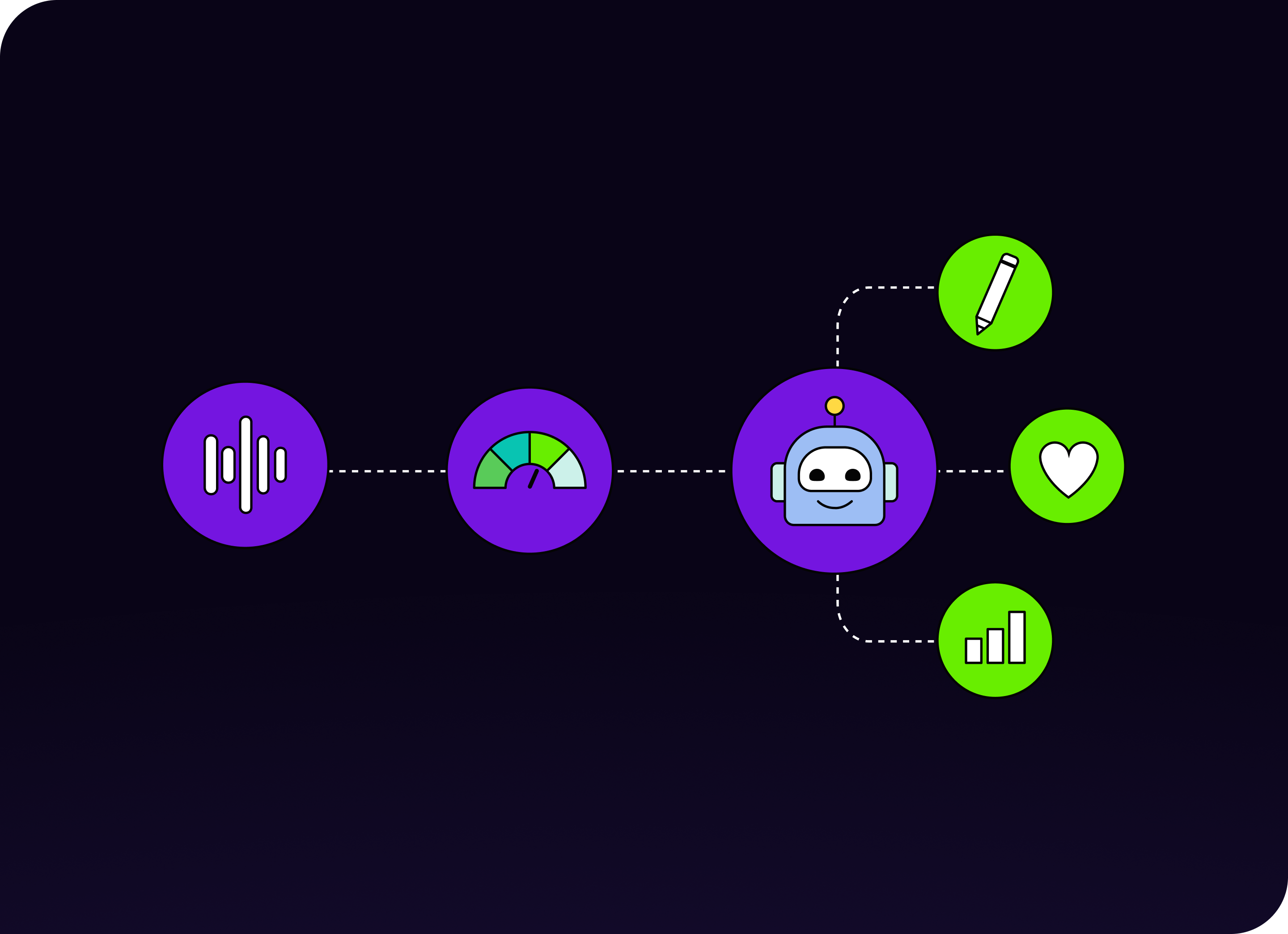
In the world of content creation, AI is a game-changer. AI tools can generate ideas, draft articles, and even optimize content. This technology allows marketers to focus on strategy rather than getting bogged down by repetitive tasks.
AI analyzes successful content patterns. It understands what resonates with audiences and which styles perform best. This insight helps in crafting content that aligns with user preferences. AI-driven tools suggest topics based on trending searches and user interests. This ensures your content remains relevant and engaging.
Natural Language Processing is another powerful aspect of AI content optimization. It enables AI to draft content that reads naturally and maintains quality. AI-generated content is often indistinguishable from that written by humans. This opens up new possibilities for scaling content production.
AI also plays a vital role in enhancing existing content. Optimization tools can spot gaps or improvements within your articles. Suggestions can include keyword integration, sentence restructuring, and readability enhancements. This ensures that content meets both user and search engine standards.
AI optimizes multimedia content as well. From image recognition to video tagging, AI ensures that all forms of content are easily accessible and visible in search results. This is crucial in an era where multimedia is king.
Key benefits of AI in content creation and optimization include:
- Efficient Drafting: Quick creation of high-quality content.
- Trend Analysis: Stay updated with audience interests.
- SEO Optimization: Enhance content visibility and ranking.
- Multimedia Enhancement: Improve reach with optimized visuals.
AI tools also help with content personalization. By analyzing user data, AI can tailor content to fit individual needs and preferences. This leads to higher engagement rates and better user experiences.
In summary, AI transforms content creation and optimization by making it more efficient and effective. It brings together personalization, trend analysis, and multimedia optimization. These factors collectively improve content strategy, making AI an indispensable asset for digital marketing professionals. As AI technology evolves, so will its ability to enhance content creation and optimization processes.
Technical SEO: How AI Identifies and Fixes Site Issues
Technical SEO is essential for maintaining a strong online presence. AI brings efficiency to technical SEO by identifying and fixing issues faster. Unlike traditional methods, AI can process vast amounts of data swiftly.
One advantage of AI in technical SEO is its ability to conduct thorough site audits. AI tools can instantly detect broken links, slow pages, and indexing errors. These insights allow for quick remediation, helping maintain optimal site health.
AI-driven tools also excel at spotting duplicate content and other canonical issues. By identifying such problems early, AI helps prevent potential ranking penalties. This keeps your site compliant with search engine guidelines.
Another significant benefit of AI is its capacity to enhance site architecture. AI analyzes user interactions to suggest improvements for navigation and structure. A well-organized site not only improves user experience but also boosts search rankings.
Some key technical SEO tasks AI handles include:
- Crawling and Indexing: Ensure site content is accessible.
- Link Analysis: Identify and fix broken internal and external links.
- Site Speed Optimization: Enhance loading times for better performance.
- Schema Markup: Implement structured data for improved search visibility.
AI aids in mobile-first indexing by optimizing sites for mobile users. It ensures that mobile navigation is seamless, which is critical as mobile usage continues to rise. This enhancement aligns with Google's mobile-first indexing initiative.
AI-driven technical SEO tools are becoming indispensable for maintaining competitive websites. They provide real-time analytics, allowing for proactive adjustments. This proactive approach is crucial in staying ahead of competitors and maintaining search engine prominence.
Integrating AI into technical SEO efforts unlocks a myriad of possibilities. It streamlines processes, elevates site performance, and ensures compliance with search guidelines. As the digital landscape evolves, AI's role in technical SEO will only expand, making it a cornerstone of successful digital marketing strategies.
AI and User Experience: Personalization, Engagement, and Site Navigation
User experience (UX) is critical to successful SEO, and AI is enhancing it dramatically. Personalization is at the forefront, with AI tailoring content to meet individual needs. This specificity boosts user engagement by delivering what users want.
AI can analyze past user behavior to predict future actions. It then personalizes content accordingly, ensuring relevance. For instance, AI might suggest products based on past purchases, streamlining decision-making for users.
Engagement is further enriched by AI through dynamic content generation. AI can adjust website elements in real-time, responding to user actions. This adaptability keeps users on the site longer, reducing bounce rates and improving search rankings.
Site navigation benefits from AI’s analytical prowess. AI can identify patterns in user navigation to suggest layout optimizations. These enhancements lead to more intuitive structures, ensuring users find what they need quickly.
Some ways AI improves UX include:
- Content Personalization: Tailors messages to user preferences.
- Adaptive Layouts: Changes site appearance based on user behavior.
- Intelligent Recommendations: Offers personalized suggestions for users.
- Real-time Feedback: Adjusts site functionalities on-the-fly.
AI also plays a pivotal role in improving accessibility. By analyzing data, AI can suggest modifications to ensure websites are usable by all. This enhancement not only meets regulatory requirements but also broadens audience reach.
A visual representation of AI-driven personalization could vividly illustrate these points. An engaging image might show AI weaving through user data to construct a unique, personalized web journey.
The intersection of AI and UX is a powerful alliance. Together, they not only engage users effectively but also foster loyalty. This relationship is vital in the quest to optimize websites, increase engagement, and achieve lasting SEO success.
AI for Voice, Visual, and Video Search Optimization
The rise of voice, visual, and video search is reshaping SEO. AI is central to optimizing these growing search domains. As people use these methods more, traditional SEO must adapt.
Voice search demands conversational content. AI assists by analyzing and adapting content to fit natural speech patterns. This ensures websites are optimized for voice queries which often differ from typed searches.
Visual search, driven by AI technology, allows users to search with images instead of words. AI analyzes elements within images, improving recognition and searchability. Businesses must now consider visual content as vital for SEO.
Video content is another area AI is transforming. AI can transcribe video content, making it searchable and accessible to search engines. By analyzing viewer engagement, AI suggests enhancements to improve video performance.
These advanced search types require unique optimization strategies:
- Voice Search: Optimize for natural language and question phrases.
- Visual Search: Ensure high-quality, searchable images with descriptive alt text.
- Video Search: Use transcripts and engaging thumbnails.
AI's involvement doesn't end at search optimization. It extends to predictive analysis, identifying trends in voice and visual search usage. By forecasting these trends, AI helps businesses stay ahead in the SEO game.
To illustrate AI's impact, a diagram could show the connections AI makes between voice commands, visual inputs, and video content. This would demonstrate how seamlessly AI integrates with these modern search methods.
by Rubaitul Azad (https://unsplash.com/@rubaitulazad)
AI is a game-changer for optimizing voice, visual, and video searches. Understanding its role is crucial for businesses to stay competitive. As technology evolves, those who embrace AI's capabilities will lead the charge in SEO innovation.
AI-Driven SEO Tools: Top Solutions and How to Use Them
AI-driven SEO tools are revolutionizing how we approach digital marketing. These tools leverage machine learning to offer insights that were once hard to acquire. They enhance efficiency and precision, automating many tedious tasks.
One key function of AI tools is analyzing vast data sets swiftly. This analysis helps identify trends and opportunities that might go unnoticed. With AI's speed and accuracy, businesses can maintain a competitive edge.
Several AI-driven tools have become staples in the SEO toolkit. These tools range from content optimization to keyword analysis. Each has unique features tailored to improve different aspects of SEO performance.
Popular AI SEO tools include:
- Frase: Helps in creating AI-driven content and improving content strategies.
- MarketMuse: Assesses content quality and suggests areas of improvement.
- Surfer SEO: Offers real-time content optimization based on top-ranking pages.
Using these tools effectively requires understanding their functionalities and strengths. Some tools excel in content generation, while others focus on technical SEO aspects like site audits and crawl efficiency.
The benefits of using AI-driven tools extend beyond automation. They offer deeper insights into user behavior and engagement metrics. This data allows marketers to refine strategies more precisely.
AI solutions can also highlight potential technical issues affecting site performance. They provide actionable recommendations to enhance overall SEO health.
Another dimension involves AI's role in assisting with competitive analysis. By understanding competitor strategies, businesses can tailor their approaches effectively.
AI-powered tools worth exploring for competitive insights include:
- Ahrefs: Provides comprehensive competitor analysis and backlink tracking.
- SEMrush: Offers insights into competitors’ keywords and advertising strategies.
- SpyFu: Reveals competitor keywords and paid search tactics.
These tools not only streamline SEO tasks but also open doors to new strategies. When used correctly, they transform traditional SEO efforts into intelligent, data-driven strategies.
By integrating these AI tools into daily operations, businesses can enhance their SEO strategies significantly. Visualizing their potential, an image could show the interface of a leading AI tool analyzing keyword data and suggesting improvements.
To conclude, AI SEO tools are not merely optional; they are a necessity in the modern digital landscape. Embracing them can lead to smarter, more effective SEO strategies that keep businesses ahead of the competition.
Predictive Analytics and Trend Forecasting in SEO with AI
Predictive analytics is a game-changer in SEO. With AI, it involves using past data to predict future trends. This technology can forecast search trends, enabling marketers to stay ahead of the competition.
AI algorithms analyze user behavior and market patterns. This analysis unveils potential trends and shifts in search behavior. By forecasting these changes, businesses can proactively adjust their strategies.
Several benefits come from using predictive analytics in SEO. These include:
- Anticipating shifts in search intent.
- Planning content around upcoming trends.
- Adapting strategies swiftly to market changes.
AI-powered tools provide forecasts with remarkable accuracy. They help in identifying emerging opportunities and potential risks. This foresight is invaluable for long-term SEO planning.
Tools like Google's Trend Search and Ahrefs' trend analysis features exemplify AI's prowess in predicting trends. They offer data visualizations that simplify complex information.
Predictive analytics also aids in keyword targeting. AI analyzes which keywords might gain popularity, helping to refine SEO focus. This strategic insight results in more targeted content creation.
Additionally, understanding trend forecasts allows for optimizing content release times. Launching content when demand peaks ensures maximum visibility and engagement.
Incorporating AI-driven predictive analytics aligns SEO efforts with dynamic market trends. As a result, businesses can achieve better rankings and audience reach.
An illustrative image could depict a dashboard showing forecasted SEO trends over a timeline.
To sum up, predictive analytics empowered by AI enables smarter decision-making in SEO. By anticipating market shifts, businesses can optimize their strategies and thrive in a competitive landscape.
AI for Competitor Analysis and Market Intelligence
.png)
AI plays a crucial role in competitor analysis. It provides insights into competitors' SEO strategies. Understanding the strengths and weaknesses of rivals helps in crafting superior strategies.
Market intelligence powered by AI reveals competitors' keyword tactics. AI tools can track and analyze which keywords others are ranking for. This data enables businesses to identify gaps and opportunities in their own campaigns.
Through AI, one can monitor competitors' content performance. Tools like SEMrush and SpyFu offer insights into their top-performing content. Knowing what works for others can guide content creation and optimization strategies.
Benefits of using AI in competitor analysis include:
- Identifying high-performing keywords competitors use.
- Analyzing content strategies and backlink profiles.
- Understanding market trends and consumer demands.
AI-driven tools provide detailed reports on competitors' site performance. These reports cover metrics like traffic sources, bounce rates, and engagement levels. Such in-depth analysis supports informed decision-making and strategic adjustments.
Besides providing data, AI tools offer strategic recommendations. They suggest actionable steps to outperform competitors. This guidance is critical for maintaining a competitive edge.
Competitor analysis with AI is not just about tracking rivals. It enhances overall market understanding. By studying competitor data, businesses can adapt to market trends and consumer preferences.
An illustrative image could show a digital dashboard comparing competitor SEO metrics.
Ultimately, leveraging AI in competitor analysis offers a comprehensive view of the market. It empowers businesses to refine their approaches, engage more effectively with audiences, and achieve superior SEO outcomes.
AI in Local and Multilingual SEO
AI is transforming local SEO by optimizing for location-specific searches. It helps businesses appear in front of local audiences more effectively. This means increased foot traffic and local business inquiries.
AI tools analyze local search patterns and preferences. They help in targeting local keywords that matter most to your community. This localized approach ensures businesses stay relevant and competitive in their areas.
Multilingual SEO benefits significantly from AI. With Natural Language Processing (NLP), AI translates and optimizes content for multiple languages. This capability allows businesses to reach global audiences without language barriers.
Advantages of AI in local and multilingual SEO include:
- Enhanced location-based keyword targeting.
- Improved translation and language optimization.
- Increased reach to international markets.
Moreover, AI can personalize content based on regional cultural nuances. It ensures that translations are not just literal but culturally relevant. This cultural sensitivity improves engagement with diverse audiences.
For local SEO, AI tools can update business listings automatically. They maintain accurate information across platforms like Google My Business. Accuracy in these listings is vital for local search visibility.
Ultimately, leveraging AI in local and multilingual SEO extends brand presence. It allows businesses to connect authentically with audiences from different backgrounds. This approach supports growth in both local and international markets.
Overcoming Challenges: AI Limitations and Ethical Considerations in SEO
AI is transforming SEO, but not without its challenges. Understanding these limitations is crucial for leveraging AI effectively in search engine optimization.
One significant limitation is AI's dependency on data quality. Poor-quality data leads to inaccurate insights and misguided strategies. Businesses need robust data management practices to maximize AI's potential in SEO.
There's also the issue of AI interpreting nuanced human interactions. While AI excels at identifying patterns, understanding human intent is more complex. This gap can result in suboptimal content suggestions or keyword targeting.
Ethical considerations play a vital role, as AI can lead to privacy concerns. AI tools collect vast amounts of user data, which raises questions about consent and data protection. Companies must ensure compliance with legal standards to safeguard user trust.
Key challenges in AI-driven SEO include:
- Data quality affecting AI effectiveness.
- Difficulty in understanding complex human intent.
- Privacy and ethical concerns about data use.
Furthermore, AI introduces biases if not carefully monitored. These biases can skew SEO results and negatively impact user experience. It's essential to regularly audit AI outputs for fairness and accuracy.
In summary, while AI offers numerous benefits, it also presents challenges in SEO. Addressing these issues requires a balanced approach. Companies must combine ethical practices with technical prowess for successful AI integration in SEO.
The Future of Search Engine Optimization AI: Trends and Predictions
The future of AI in SEO is buzzing with potential. This dynamic field is swiftly evolving, propelled by technological advances and shifting user behaviors. Staying ahead in search engine optimization ai requires anticipating these trends.
One emerging trend is the integration of AI with augmented reality (AR) and virtual reality (VR). As AR and VR gain traction, SEO strategies will need to adapt. AI will play a critical role in optimizing content for these immersive platforms, changing how users search and interact with results.
Another trend is the growing emphasis on voice search. With more people using voice-activated devices, the demand for voice search optimization will rise. AI will be essential in understanding natural language queries and tailoring results accordingly.
Notable trends in AI-driven SEO include:
- Integration with AR and VR.
- Increased focus on voice search.
- Enhanced content personalization.
Moreover, content personalization will become increasingly sophisticated. As AI improves, it will enable even deeper customization of user experiences. This will enhance engagement by delivering tailored content in real-time.
Looking ahead, AI will continue to transform SEO, making it more intuitive and user-centric. To thrive, businesses must embrace these innovations and adapt their strategies. By doing so, they can harness the power of AI to stay competitive in the ever-changing digital landscape.
Conclusion: Embracing AI for Smarter SEO Strategies
AI is not just a tool but a catalyst for transformation in SEO. Its integration into search engine optimization strategies is essential for staying relevant. As the digital landscape shifts, adapting with AI ensures businesses remain competitive.
The benefits of AI-driven SEO are immense. From refining keyword research to enhancing user experience, the impact is profound. Businesses can streamline their processes and achieve results more effectively and efficiently.
Adopting AI in SEO is no longer optional; it's a necessity. Embracing these technologies empowers businesses to optimize their online presence. This results in improved rankings and a stronger connection with audiences. For those ready to embrace change, AI offers the key to smarter and more agile SEO strategies. It provides the means to stay ahead in a rapidly evolving digital world.
.png)


