Exploring the Future of Vibe Coding
.png)
Introduction
Vibe coding, at its core, is a method of designing and developing applications that focus on creating a particular "vibe" or emotional experience for the user. Unlike traditional coding, which primarily focuses on functionality and usability, vibe coding integrates elements of design, sound, and user interaction to evoke specific emotions. This approach emphasizes the importance of emotional resonance in user interactions, making the experience more memorable and impactful.
The Essence of Vibe Coding
The essence of vibe coding lies in its ability to create an atmosphere or mood through digital interfaces. This involves a combination of visual aesthetics, auditory cues, and interactive design elements that work together to influence the user's emotional state. By prioritizing these elements, developers can craft experiences that leave a lasting impression on users, encouraging them to return to the application.
Challenging Traditional Development
Vibe coding also challenges traditional development paradigms by placing equal importance on emotional engagement and technical functionality. While usability remains crucial, the emotional connection becomes a key differentiator in a crowded market. This shift reflects broader changes in consumer expectations, where users seek more than just efficient tools—they desire meaningful experiences.
The Rise of Vibe Development
Growing Demand for Emotional Experiences
The rise of vibe development can be attributed to the growing demand for more engaging and immersive user experiences. In a world where digital interactions are becoming more frequent, users are seeking applications that not only perform well but also resonate with them on a deeper emotional level. Vibe coding offers a framework to achieve this by allowing developers to create applications that feel more personal and enjoyable.
Need for Differentiation
As digital ecosystems become more saturated, the need for differentiation has never been greater. Vibe coding addresses this by providing a unique value proposition centered around emotional engagement. By focusing on the user's emotional journey, developers can cultivate brand loyalty and foster deeper connections with their audience.
Experience Over Utility
Moreover, the rise of vibe development aligns with broader trends in consumer behavior that emphasize experience over utility. Users are increasingly drawn to applications that offer a sense of connection and fulfillment, rather than just functional benefits. This shift is driving innovation in vibe coding, as developers explore new ways to enhance the emotional dimensions of their applications.
Vibe Coding and UX Evolution
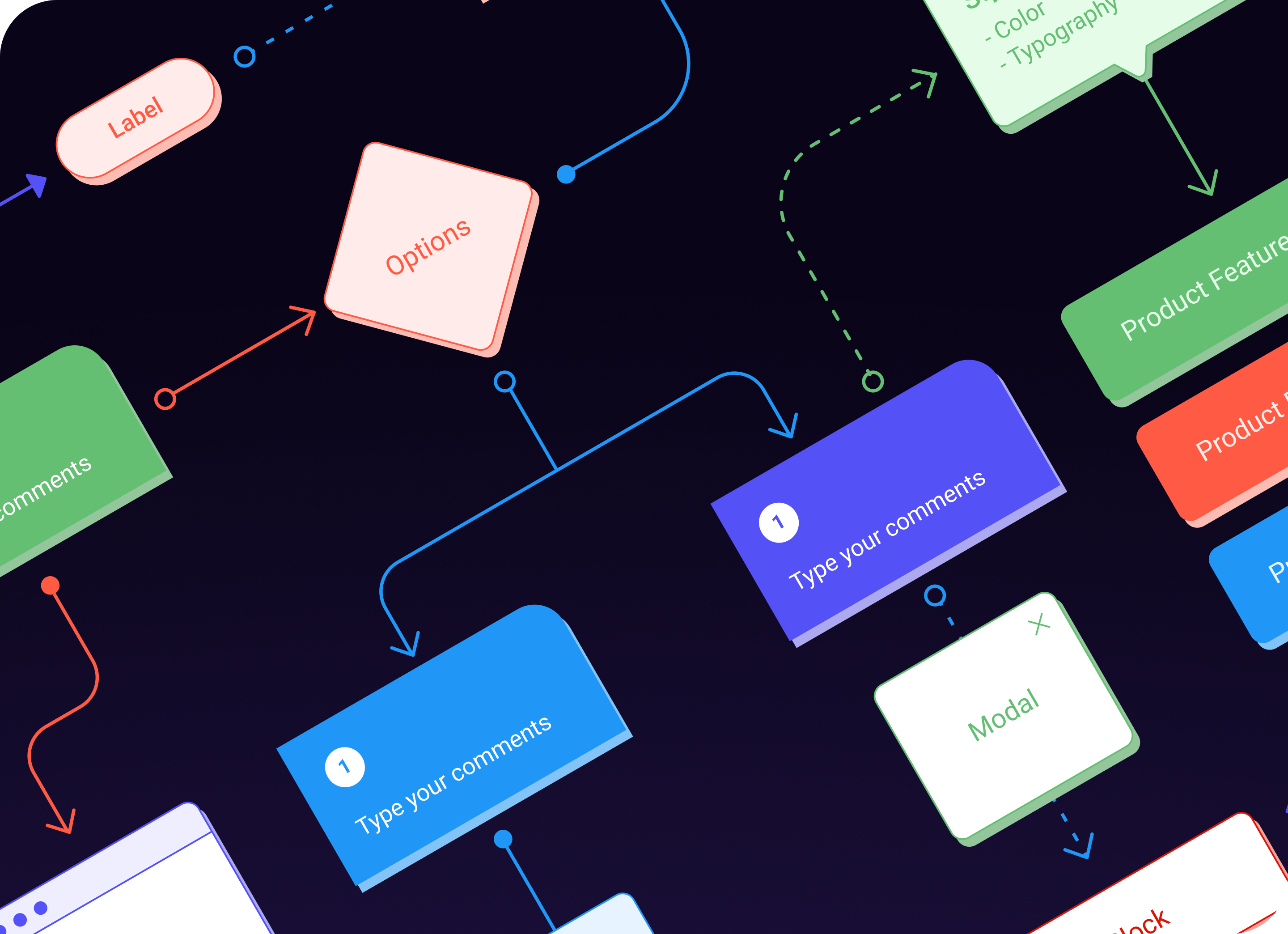
An Evolution of User Experience
User experience (UX) design has long been a focal point in application development, but vibe coding represents an evolution of this concept. By integrating emotional and sensory elements into the UX framework, vibe coding elevates the role of emotions in shaping user interactions. This approach encourages developers to consider the holistic impact of their designs on users' emotional states.
Blurring Digital and Emotional Experiences
The evolution of UX through vibe coding also reflects changes in how we understand human-computer interaction. As technology becomes more integrated into our daily lives, the lines between digital and emotional experiences blur. Vibe coding addresses this by creating seamless, emotionally resonant experiences that align with users' expectations and desires.
The Importance of Empathy
Furthermore, the evolution of UX through vibe coding underscores the importance of empathy in design. By prioritizing the user's emotional journey, developers can create more inclusive and human-centered applications that cater to diverse needs and preferences. This shift towards empathy-driven design is reshaping the future of UX, paving the way for more meaningful and impactful digital experiences.
Vibe Design Principles
Visual and Auditory Alignment
Vibe design is a crucial component of vibe coding. It involves crafting the visual and auditory elements of an application to align with the desired emotional response. This can include:
- Color schemes
- Typography
- Animations
- Soundtracks
These elements collectively create a cohesive experience.
Color Psychology
For instance, a calming app might use soft colors and soothing sounds to create a relaxed vibe, while a gaming app might employ vibrant visuals and energetic music to evoke excitement.
- Warm colors (reds, oranges): warmth, excitement
- Cool tones (blues, greens): calmness, tranquility
Typography
Typography also contributes to vibe design by influencing the readability and emotional impact of the content. For example:
- Bold, modern fonts: innovation, energy
- Traditional serif fonts: trust, reliability
Sound & Music
Sound and music are powerful tools in vibe design, capable of deeply influencing user emotions.
Examples:
- Meditation apps → gentle ambient sounds
- Fitness apps → upbeat tracks
Lovable Vibe Coding Revenue
Creating Revenue Through Emotional Engagement
The concept of lovable vibe coding revenue is about creating applications that users not only love to use but are also willing to pay for.
Benefits include:
- Increased user retention
- Higher likelihood of premium upgrades
- More in-app purchases
Understanding Emotional Needs
Creating lovable applications involves understanding the emotional needs of the target audience and designing experiences that fulfill those needs.
Long-Term Loyalty
Moreover, lovable vibe coding revenue is not just about initial user acquisition; it focuses on long-term engagement and loyalty.
Adapting to Preferences
Additionally, the success of lovable vibe coding revenue depends on the ability to adapt and evolve with user preferences.
Measuring Emotional Impact
Emotional Metrics and Analytics
To effectively implement vibe coding, developers need to measure and analyze the emotional impact of their applications.
Emotional metrics include:
User Feedback
- Surveys
- Reviews
Sentiment Analysis
- Evaluating tone of comments
- Understanding emotional reactions
Engagement Data
- Time spent
- Return frequency
- Feature interaction patterns
Data-Driven Decisions
Furthermore, the integration of emotional metrics into the development process fosters a data-driven approach to vibe coding.
Future Technologies Enabling Vibe Coding
%20(2).png)
AR & VR
As technology continues to advance, the potential for vibe coding expands.
Augmented Reality (AR)
- Overlay digital elements in the real world
- Create mood-based enhancements
Virtual Reality (VR)
- Full immersion into emotional environments
- Transport users to crafted emotional worlds
Artificial Intelligence (AI)
AI can be used to:
- Analyze user behavior
- Adjust vibe in real time
- Personalize emotional experiences
Cross-Industry Applications
Entertainment
In the entertainment industry, vibe coding enhances storytelling by creating emotionally resonant narratives.
Education
In education, vibe coding can transform traditional learning experiences into engaging and enjoyable journeys.
Healthcare
In healthcare, vibe coding can contribute to creating apps that support mental well-being by promoting relaxation and mindfulness.
Challenges of Vibe Coding
Balancing Emotion and Functionality
Developers must balance emotional experiences with maintaining functionality and usability.
Cultural Differences
Cultural differences can affect how certain vibes are perceived.
Privacy Concerns
Privacy concerns arise when collecting emotional or behavioral data.
Conclusion
The Promise of Vibe Coding
Vibe coding represents an exciting frontier in application development.
A More Human-Centered Future
Ultimately, vibe coding has the potential to transform how we interact with technology by prioritizing emotional resonance and human-centered design.
.png)


